Sunday, November 1, 2015

November

What's the name of this "killer" national park?
This park, which gets its name from a Miwok word meaning "killer," is visited by more than three and a half million folks each year. About 95 percent of the park is designated as wilderness, including the many giant sequoias growing there.

Did you know:

-- The seed for the giant sequoia, the biggest living thing on Earth, is the size of a piece of oatmeal.

-- Abraham Lincoln signed a bill protecting the valley portion of the park; later, John Muir lobbied to protect the surrounding mountains and forests as well.

Thursday, October 1, 2015

October

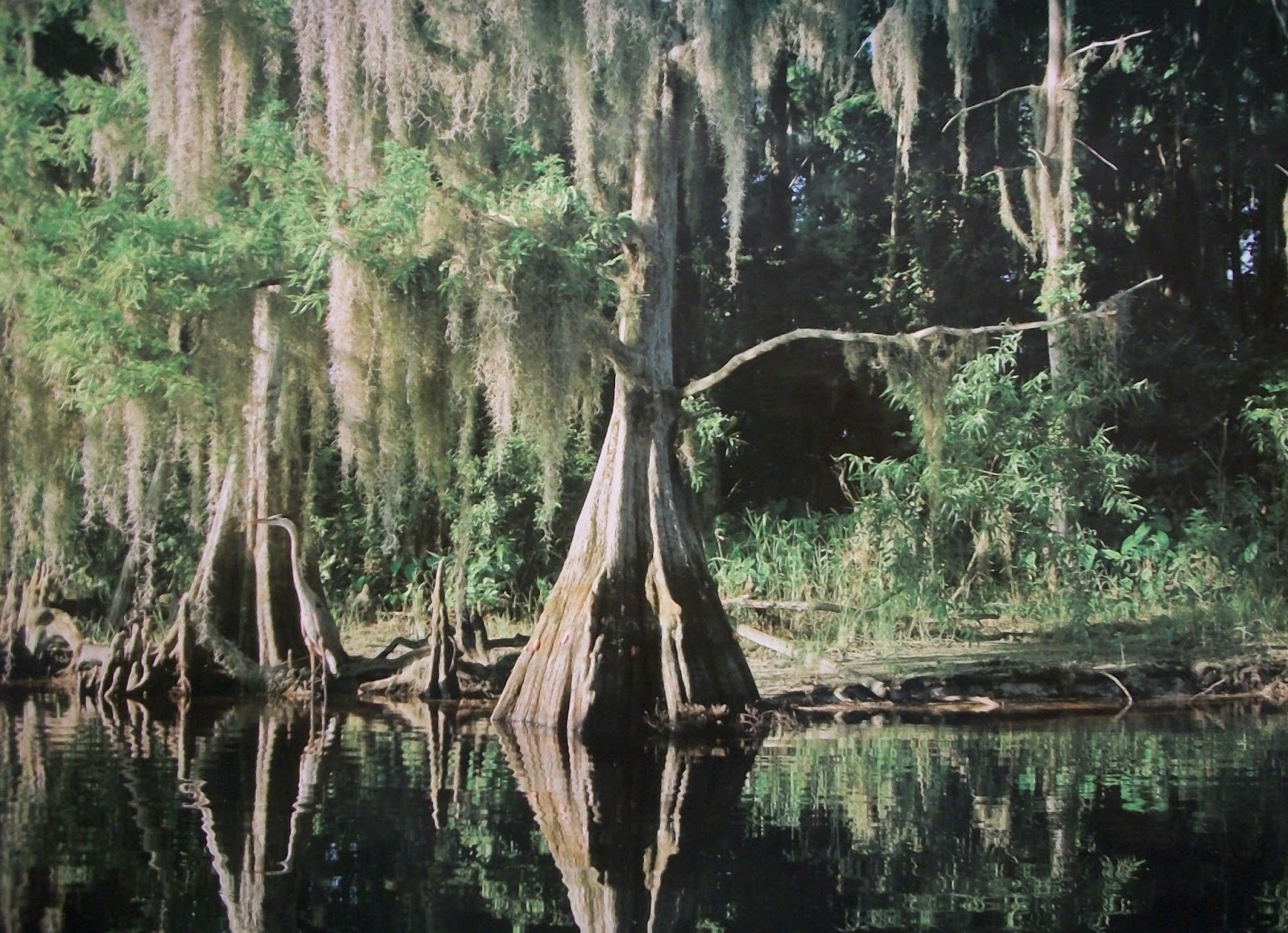
What is the name of this wetland wilderness?
Located in Florida, this park is the largest tropical wilderness in the United States. It is also the largest wilderness of any kind east of the Mississippi. It is the third largest national park in the lower 48, and the first created to protect a fragile ecosystem.

Did you know:

  • It is the only place in the world where the American alligator and the American crocodile live together in the wild.
  • The majority of South Florida's water is recharged in this park.

Thursday, September 3, 2015

September

What is the name of this park that houses rocks as large as
houses?  
Designated a national park by FDR in 1938, this park was declared a World Heritage Site in 1981. It is currently undergoing the largest dam removal project in U.S. history, to preserve 70 miles of salmon spawning and rearing habitat.

Did you know:

-- This park is known for its melanges (large rocks), which can be as large as houses.

-- The coastal portion of the park is 60 miles long.

-- The western side of the park consists of temperate rainforests, which receive an annual precipitation of about 150 inches.

Saturday, August 1, 2015

August

What is the name of this famous stark and arid valley?
In spite of (or perhaps because of) its harsh, arid environment, this national park has been used as the backdrop for many television and movie productions, including Star Wars. Located in California and Nevada, it is the hottest and driest of all the U.S. national parks, with 95% of it being a designated wilderness area. It is also the largest national park in the lower 48, featuring the second-lowest point in the Western Hemisphere, Badwater Basin, which sits 282 feet below sea level.

It was declared a national monument in 1933 but did not become a national park until 1994, when it was substantially expanded. It got its rather grim name from a group of European-Americans who were stranded there in 1849 while looking for a shortcut to the California gold fields.